The story
A singer-songwriter’s work
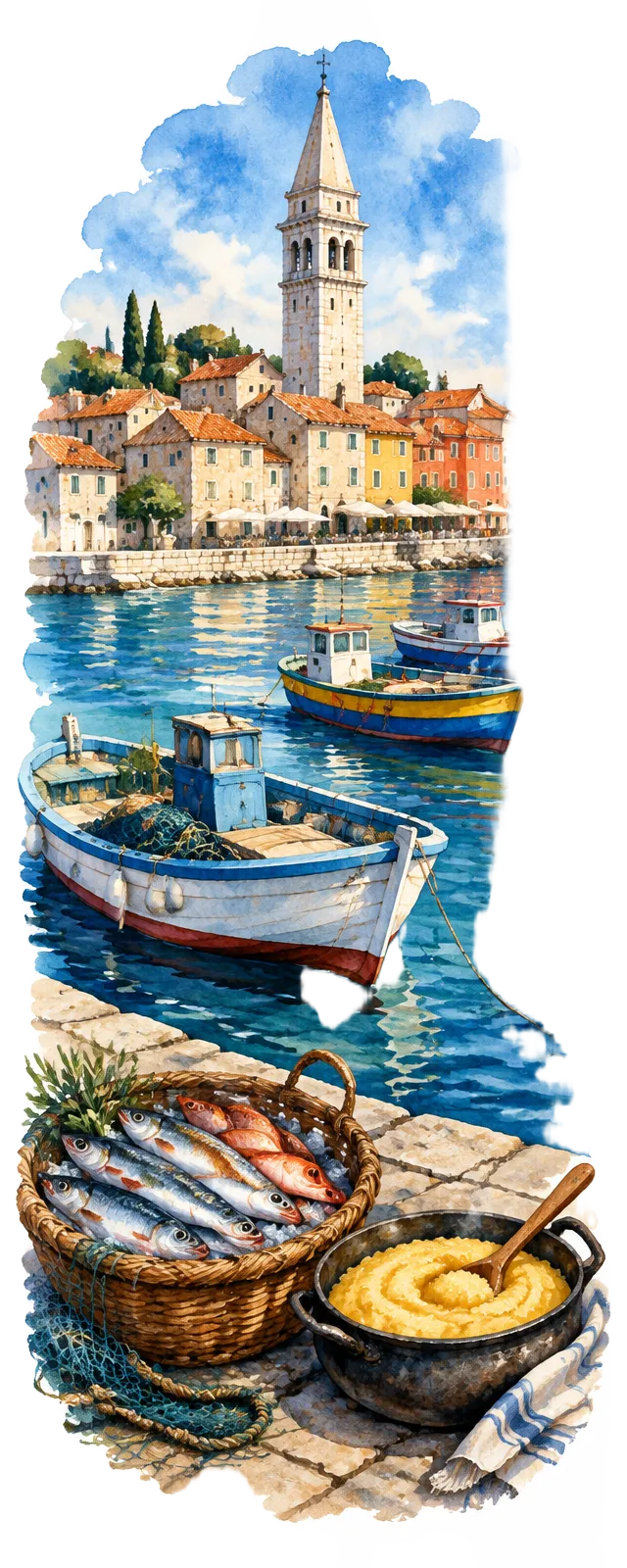
Unlike many of the songs in our repertoire, this one has a living author and a precise date. Davide Van De Sfroos – real name Davide Bernasconi – was born in Monza in 1965 and grew up in Mezzegra, on the western shore of Lake Como. His stage name is a statement in itself: in the local dialect “de sfroos” means “on the sly” – in other words, smuggled.
The song was released in 1999 on the album Brèva e Tivàn, named after the two winds that blow across Lake Como. It is sung in laghée, the Lombard dialect of the Como area, which is very close to the dialects of Canton Ticino. In 2015 the author released a new orchestral version as the lead single from his album Synfuniia.
The story it tells
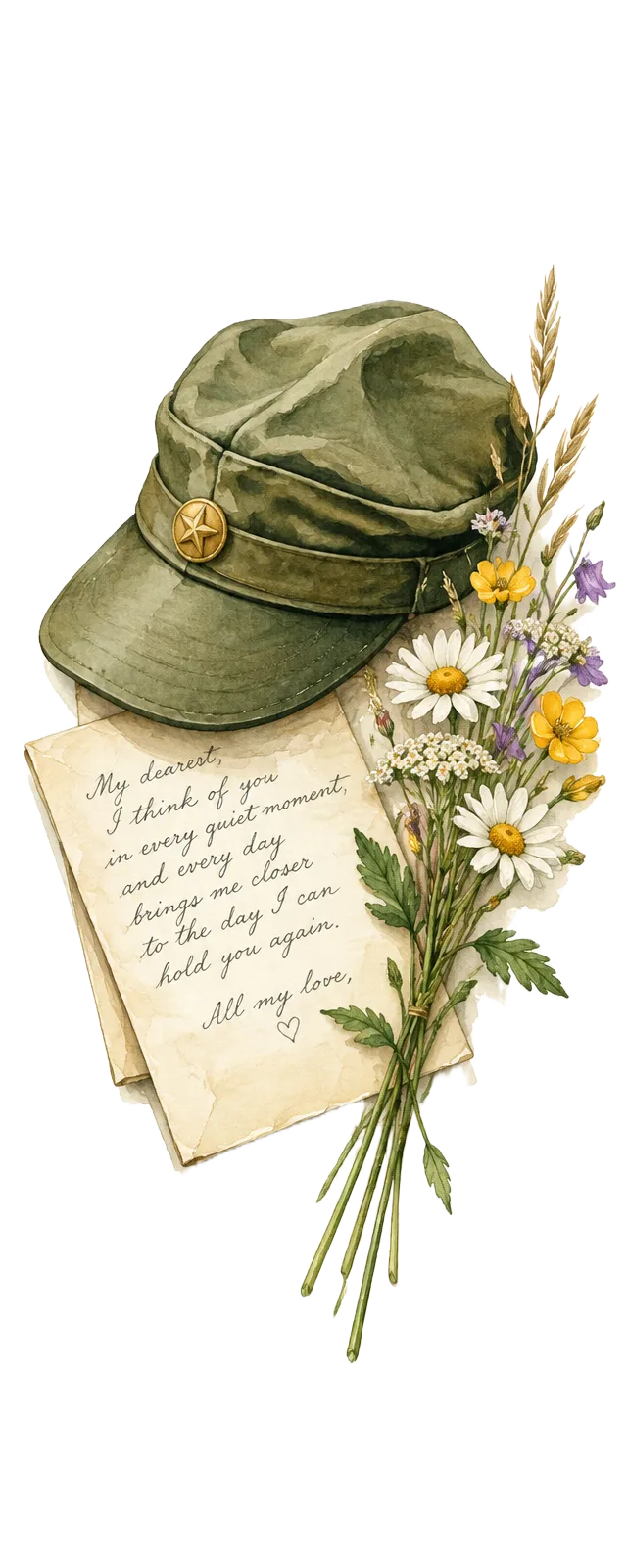
A boy is singing his little brother to sleep, telling him all the while about their father, who carries goods over the mountain border by night. The song moves between the man’s courage, his fear and the prayers of the family waiting at home, the mother watching from the window. Van De Sfroos himself has called it a universal prayer, in which the smuggler’s load becomes a cross to bear.
Smuggling along the border
Although the song is set on Lake Como, the story it tells belongs to the whole Lombard–Swiss border, the Valtellina included. According to the Swiss Customs Museum in Gandria, smuggling across the Italian border flourished until the middle of the twentieth century, peaking during and just after the Second World War. Cigarettes, sugar, coffee, rice and salt were the goods most often carried.
Tirano, too, lay on these routes. A smugglers’ path ran from the Valposchiavo down to the middle Valtellina, used mainly for coffee and tobacco; historians believe this trade kept the valley economy afloat and slowed emigration. The “spalloni” – literally “shoulder men” – climbed by night under crushing loads, pursued by the customs police. In the Valle Intelvi, the Museo dei Burlanda e Sfrusaduu (the museum of customs officers and smugglers) occupies the former customs police barracks, in use from 1947 to 1977.
From singer-songwriter to choir
Mountain songs are almost always anonymous, passed down by word of mouth from one generation to the next. This one, by contrast, was written by a singer-songwriter for voice and guitar and became known through recordings. The fact that it has found its way into the repertoire of several Lombard male choirs speaks volumes: it shares the language of traditional song – hard work, the border, and the people waiting at home. For a choir from Tirano, just a few kilometres from Switzerland, it is also a way of telling the story of our own valley.
It shares the language of traditional song: hard work, the border, and the people waiting at home.