Istrian folk song · anonymous

    La mula de Parenzo

    A girl, not a mule

    The song

    Words and music
    Anonimo, tradizione istriana

    The lyrics

    The best-known folk version, in the original dialect, drawn from published collections (Wikisource, Alpine songbooks). Each verse is sung twice and followed by the refrain "Perché non m’ami più?" ("Why don’t you love me any more?"). There are countless variants: the dialect, the number of verses and even some of the words change from place to place.

    1. 1

      La mula de Parenzo, lerì-lerà,ga messo su bottega, lerì-lerà,de tuto la vendeva,fora che el bacalà.

    2. Perché non m'ami più?

    3. 2

      La me morosa vecia, lerì-lerà,la tegno de riserva, lerì-lerà,e quando spunta l'erbala mando a pascolar.

    4. 3

      La mando a pascolare, lerì-lerà,nel mese di settembre, lerì-lerà,e quando vien novembrela vado a ritirar.

    5. 4

      Se el mar el fussi tocio, lerì-lerà,e i monti de polenta, lerì-lerà,oh mama, che tociade:polenta e bacalà!

    6. 5

      Tuti me disi bionda, lerì-lerà,ma bionda mi no son, lerì-lerà,porto i cavei neri,neri come el carbon.

    Mula

    In Triestine and Istro-Venetian it means “girl”

    3

    Languages of the people who sing it: Italian, Slovene and Croatian

    2000

    Coro Monti Verdi records it on CD

    The story

    A girl, not a mule

    Anyone unfamiliar with the dialect will picture a pack animal. But in Triestine and Istro-Venetian, mula simply means “girl”. The heroine is a young woman from Parenzo – today Poreč, in Croatia – who opens a shop and sells everything except salt cod. The verses are a string of jokes about the simple food of the coast, polenta and baccalà, while the refrain strikes a note of lovelorn complaint.

    One song, many languages

    Nobody knows who wrote it, or exactly when. It belongs to north-eastern Italy, Istria, the Kvarner Gulf and parts of Slovenia and Dalmatia, and is sung by Italian, Slovene and Croatian speakers alike. There are versions in Istro-Venetian, Triestine and Bisiac, with varying numbers of verses, and it is also known as La goba de Parenzo.

    In Poreč it is regarded as the town’s unofficial anthem, and the local museum has opened a visitor centre devoted to it. The tune is so familiar that it has been borrowed for other lyrics: in 1970 Pardo Fornaciari set a satirical song to it.

    After songs of mountains, war and longing, it brings a different tradition into the concert hall: the cheerful, tongue-in-cheek spirit of the Adriatic coast.
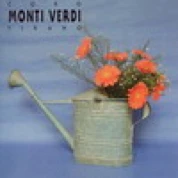
    Cover of the 2000 CD "Coro Monti Verdi - Tirano"

    Our version

    Coro Monti Verdi recorded it on the 2000 CD "Coro Monti Verdi - Tirano", having first recorded it on the 1985 LP "Monti Verdi". After songs of mountains, war and longing, it brings a different tradition into the concert hall: the cheerful, tongue-in-cheek spirit of the Adriatic coast.
    Explore our recordings
    Further reading
    • The "La mula de Parenzo" visitor centre of the Poreč town museum.
    • The lyrics and their variants on Wikisource, in Italian and Venetian.
    Sources
    • La mula de Parenzo, Wikipedia
    • La mula de Parenzo, Wikisource
    • La mula de Parenzo, canzoniere ANA sezione di Conegliano
    • La polenta nella musica, Molino Cereser
    • Centro visitatori La mula de Parenzo, Ente turistico dell’Istria
    • La diocesi de Parenzo, ilDeposito
    • La Mula di Parenzo, Coro Monti Verdi, Spotify

    More songs to discover

    Hear us live

    November 11 · 20:45

    Tirano (SO), Sala Consigliare del Comune

    Il Coro Monti Verdi compie 60 anni

    All concerts

    Meet the choir

    Based in Tirano since 1966, with more than 700 concerts in Italy and abroad.